
Habits That Make Tinnitus Worse
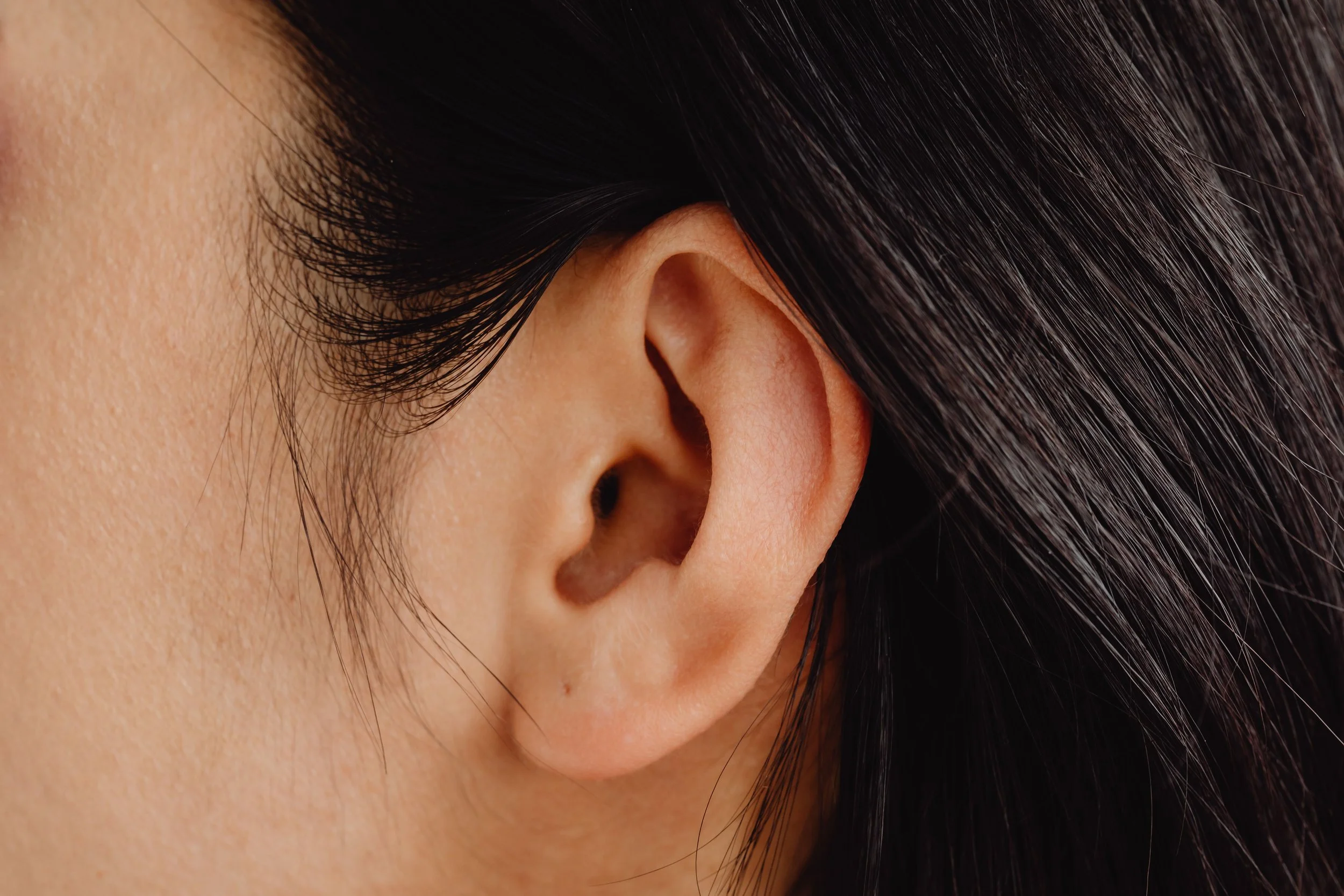
Tinnitus isn't a fun symptom to have to live with. The constant ringing or sounds in your ears can make for a very distressful time, and when there is no external source to eradicate to stop the ongoing disturbance in your hearing, learning to live with the extra noise can take a toll on your health, both physically and mentally.
However, did you know that there are some things you might be doing that are making it worse than it needs to be?
Listening to Loud Music Through Headphones
Loud noise exposure is one of the most well established tinnitus triggers and headphones deliver sound directly into the ear canal at levels that, while don't feel damaging at the time, can be doing more harm than you realize.
Then there are things like power tools and concerts too that can contribute to the underlying strain on the auditory system.
Even a single loud event like a concert without hearing protection can trigger a considerable spike in symptoms that can last for days afterwards on top of any cumulative damage. It's always a good idea to keep your headphones below 60% regardless if you experience tinnitus or not.
Skipping Sleep on a Regular Basis
Poor sleep does not cause tinnitus directly but it changes how the brain perceives and processes the sound and this can make things feel louder and more intrusive than they normally would.
On top of this tinnitus can also make falling asleep harder in the first place, locking you in a cycle where poor sleep and worsening symptoms feed into each other. Background sound from a fan or white noise can help mask the ringing enough to fall asleep which in turn helps break the cycle rather than lying awake fixated on it. A consistent sleep schedule and a quiet, screen-free wind-down period before bed can help further rather than letting the pattern compound night after night.
Drinking Too Much Caffeine or Alcohol
Caffeine stimulates the nervous system and can heighten the perception of tinnitus particularly when consumed later in the day closer to bedtime. Alcohol affects blood flow and fluid balance in a similar way and it disrupts sleep quality too which compounds the problem through the same sleep related mechanism.
Combining the two like an evening drink followed by an afternoon coffee the next day tends to intensify symptoms more than either one alone. Not everyone responds to caffeine and alcohol the same way. It can be a good idea to track your symptoms against intake for a couple of weeks to help identify whether either one is a genuine personal trigger worth cutting back on.
Ignoring It Instead of Getting It Checked
Tinnitus is a symptom of an underlying issue such as hearing loss, a medication side effect or a treatable ear condition. It can be worth looking into tinnitus treatment to identify whether an underlying cause is driving the symptoms, which matters since addressing the root issues often does more than managing lifestyle triggers alone ever could. While this doesn't always result in the symptoms being treated and tinnitus being eradicated from your life, it will give you more of an idea of what is going on and how you can avoid making things worse.