
Beyond Pregnancy: Your Postpartum Health Checklist
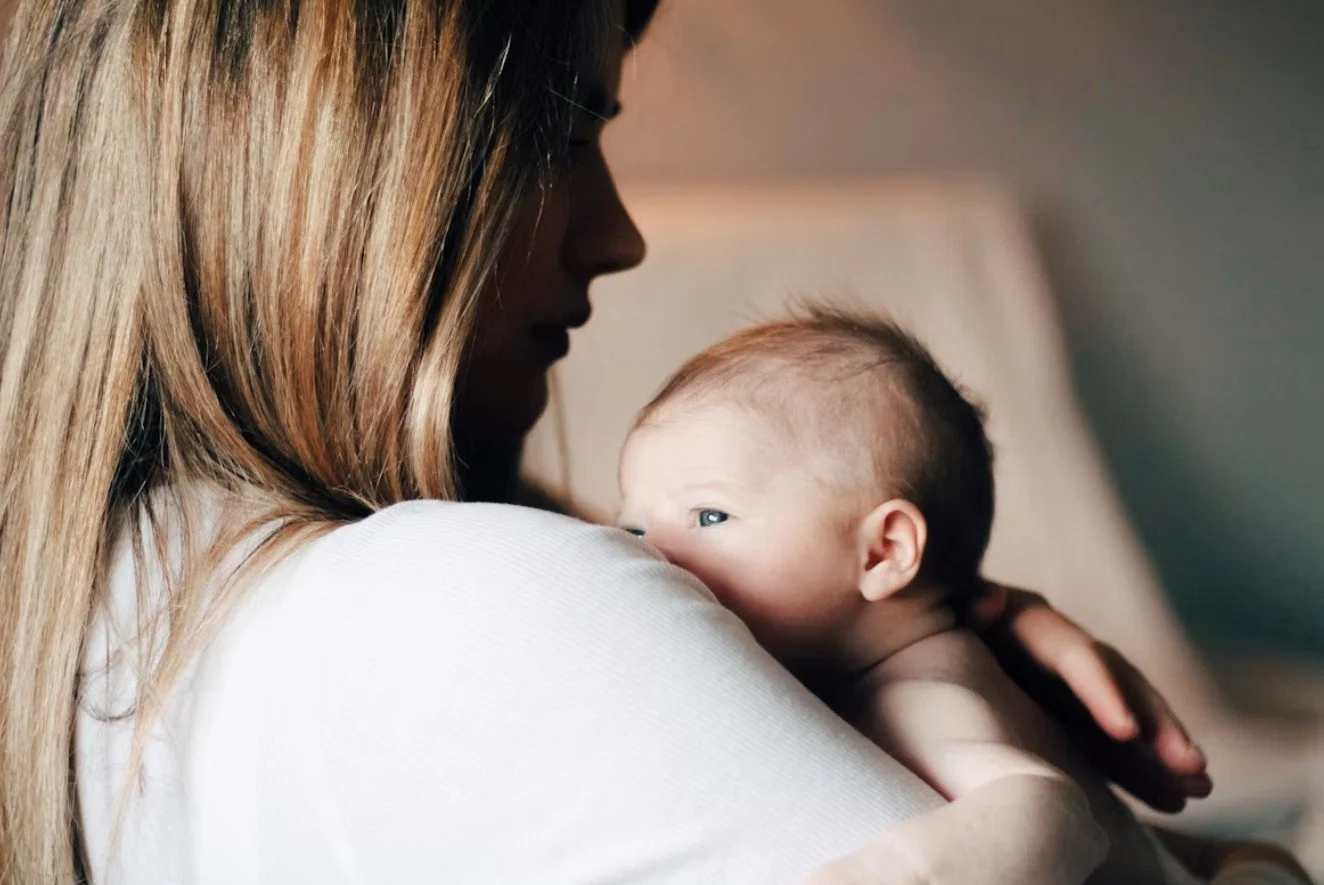
After the whirlwind of pregnancy and childbirth, your focus naturally shifts to the precious new life you've brought into the world. In the blur of feedings, diaper changes, and sleepless nights, it's easy to let your own health slip to the bottom of the priority list.
But caring for yourself isn't selfish; it's essential for being the best parent you can be. This postpartum health checklist will help you remember to prioritize your own well-being.
Prioritizing Your Own Recovery
Your body just accomplished an incredible feat. Giving yourself time and grace to heal is the first step in postpartum wellness. While the standard postpartum check-up is often scheduled for six weeks after delivery, your recovery timeline is unique. Don't hesitate to call your doctor or midwife with any concerns before that appointment, whether it's about pain, bleeding, or your incision.
Rest is one of the most powerful tools for recovery, so try to sleep when the baby sleeps, even if it’s just for a short nap. Accept offers of help from friends and family to give yourself a break.
Mental Well-being Matters
The emotional shifts after childbirth can be as intense as the physical ones. Many new mothers experience the "baby blues," a period of mood swings and weepiness that usually subsides within a couple of weeks. However, if these feelings persist or intensify, it could be a sign of a postpartum mood disorder.
Learning about the evidence-based health components of postpartum life can help you identify what is normal and when to seek support. It is vital to start prioritizing mental health from the very beginning. Talk to your partner, a trusted friend, or a healthcare provider about how you're feeling. There is no shame in asking for help; it's a sign of strength.
Nutrition and Energy for Moms
Running on empty is a classic new-parent experience, but proper nutrition can make a significant difference in your energy levels and mood. Focus on eating nutrient-dense foods that are easy to prepare. Think one-handed snacks like apples, bananas, nuts, and yogurt. Keep a large water bottle nearby and sip from it throughout the day, especially if you are breastfeeding.
Friends and family often want to help, so don't be shy about asking them to organize a meal train or drop off a healthy dinner. This isn't the time to worry about losing baby weight; it's the time to focus on fueling your body for the demanding job of caring for a newborn.
Don't Forget Your Hearing Health
While it's not often discussed, pregnancy and postpartum hormonal changes, fluid retention, and blood pressure fluctuations can sometimes affect your hearing. You might notice symptoms like a feeling of fullness in your ears, dizziness, or even tinnitus (a ringing sound). For many, these issues are temporary and resolve as the body returns to its pre-pregnancy state.
However, if you experience persistent hearing changes or concerning symptoms, it’s worth getting checked out. A professional evaluation can provide answers and is a much better approach than simply looking for local hearing aid stores online without a clear diagnosis.
Making Time for Annual Check-ups
In the first year of your baby's life, you'll be at the pediatrician's office frequently, but what about your own appointments? It's easy to let your regular health maintenance slide, so make sure you get mental health supportt.
As you settle into a new routine, make a plan to get back on track with your own annual check-ups. Schedule that overdue dental cleaning, book an eye exam, and make an appointment with your primary care physician for a general physical. Taking care of these routine appointments ensures that you stay healthy for yourself and for your growing family in the years to come.
Your health is the foundation upon which your family is built. By taking small, consistent steps to care for your physical and mental well-being, you are giving your child the greatest gift of all: a healthy, happy, and present parent.