
Pilate Studio Palo Alto For Stress Relief, Mobility, And Full-Body Conditioning
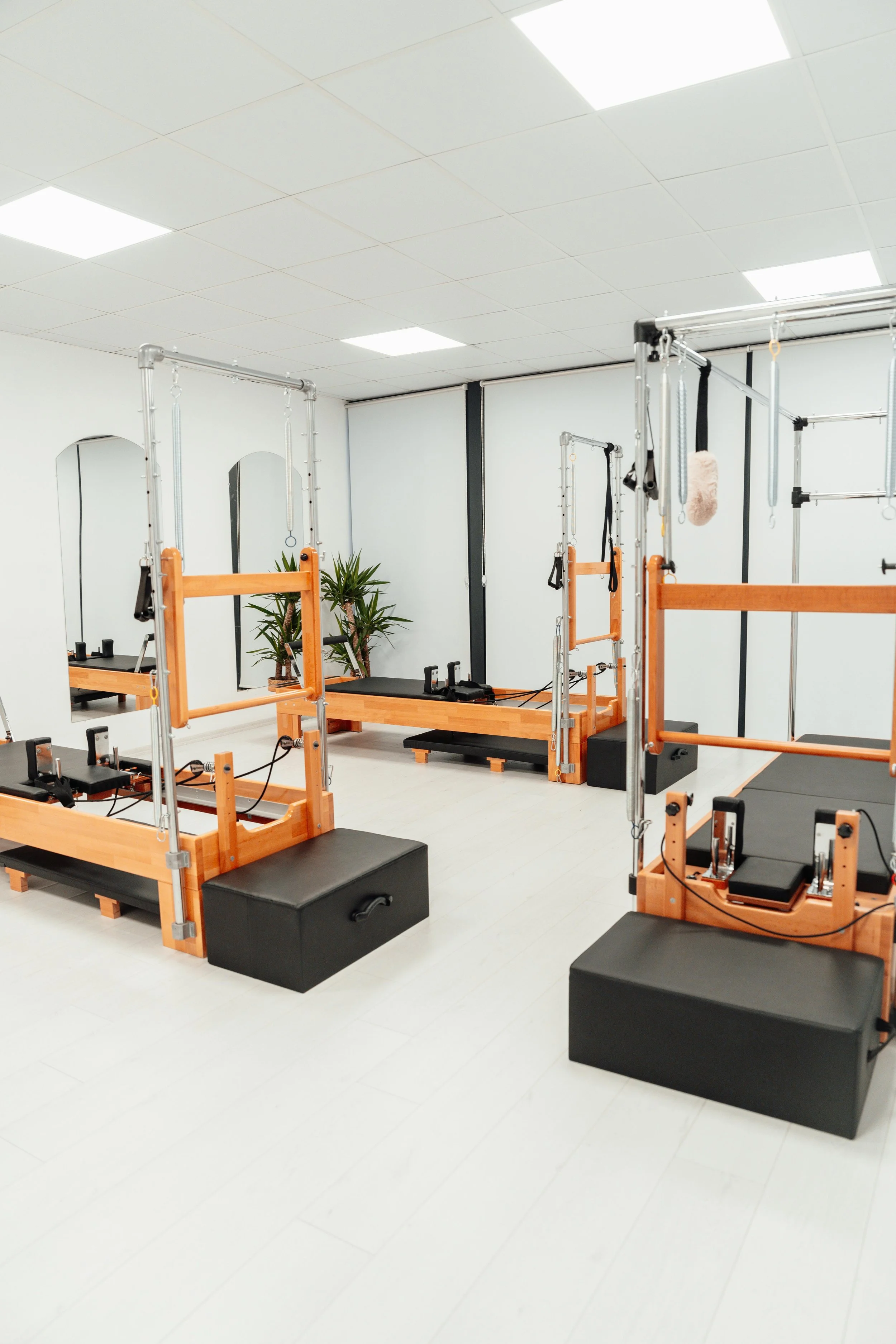
A pilate studio Palo Alto can be a quiet reset button when your body feels stiff, your mind feels overloaded, and your regular workouts are not giving you the balance you need.
Most people do not walk into a studio because they want another intense fitness routine.
They walk in because their back feels tight after long workdays, their shoulders sit too high, or they want apilate studio palo alto experience that helps them move without feeling drained afterward.
Why Pilates Feels Different From a Regular Workout
Pilates is not about rushing through reps.
It is about learning how your body moves, where it holds tension, and how to build strength without forcing every muscle to fight at once.
In a Palo Alto Pilates class, you might start with simple breathing exercises, small core movements, or slow, controlled stretches.
At first, it can feel almost too calm.
Then you realize your deep muscles are working harder than they do in a fast gym session.
That is what makes Pilates so effective.
It trains control, alignment, balance, posture, and strength simultaneously.
A Smarter Way to Handle Stress
Stress does not only live in your thoughts.
It shows up in your neck, hips, lower back, jaw, and breathing.
After a long day at a desk, one slow movement session can make someone stand taller and breathe easier.
That is the real value of a Pilates studio in Palo Alto.
You are not just exercising.
You are teaching your nervous system to slow down.
The focus on breath, movement, and body awareness helps you shift out of that tense, always-on mode.
For busy professionals, students, parents, and anyone juggling too much, that matters.
Mobility That Helps in Real Life
Mobility is not just about touching your toes.
It is about getting out of a chair without stiffness.
It is about turning your neck while driving without discomfort.
It is about walking, bending, reaching, and carrying groceries without feeling locked up.
Pilates supports these everyday movements by improving joint control and muscle balance.
A good session may work your spine, hips, shoulders, ankles, and core in ways that feel gentle but surprisingly deep.
Over time, simple things become easier.
You move better because your body is no longer fighting itself.
Full-Body Conditioning Without Beating Up Your Body
Many workouts focus on one area at a time.
Pilates connects everything.
Your core supports your legs.
Your breathing supports your posture.
Your shoulders learn how to move without gripping your neck.
Your glutes, hips, and spine begin working together instead of separately.
This is why Pilates is useful for full-body conditioning.
It builds lean strength, improves coordination, and helps prevent the overuse patterns that often come from repetitive workouts.
You leave feeling worked, not wrecked.
Why Core Strength Matters So Much
Core strength is one of the biggest reasons people try Pilates.
But the core is more than abs.
It includes deep stabilizing muscles that support the spine, pelvis, and ribs.
When these muscles are weak or underused, the body often compensates.
The lower back may take over.
The neck may tighten.
The hips may feel stuck.
Pilates teaches the core to do its job again.
That can improve posture, reduce strain, and make other workouts feel stronger and safer.
Reformer Pilates and Mat Pilates
A Palo Alto Pilates studio may offer mat classes, reformer sessions, or private instruction.
Mat Pilates uses your body weight, breath, and control.
It is simple, direct, and effective.
Reformer Pilates uses spring resistance and a moving carriage.
It can make movements feel smoother, more supported, or more challenging depending on the setup.
Both styles can help with flexibility, strength, balance, and body awareness.
The best choice depends on your goals, fitness level, and comfort with equipment.
Who Can Benefit From Pilates
Pilates is not only for dancers or athletes.
It works well for beginners, active adults, office workers, older adults, and people returning to movement after time away.
Someone who sits all day may use Pilates to open the hips and improve posture.
A runner may use it to strengthen the core and reduce tightness.
A parent may use it to rebuild strength and feel more stable.
A stressed professional may use it as one hour where the phone is off and the body gets attention.
That flexibility is what makes Pilates so practical.
What a Good Session Should Feel Like
A good Pilates session should feel focused, not random.
You should understand why you are doing each movement.
You should feel guided, corrected, and supported.
The instructor should notice your alignment, breathing, and control.
You may feel muscles you did not know you had.
You may shake during small movements.
That is normal.
The goal is not perfection.
The goal is better awareness and steady progress.
The Mind-Body Connection Is Real
One reason Pilates keeps people coming back is that it makes you pay attention.
You cannot fully zone out during a controlled movement.
You have to breathe.
You have to notice your ribs, hips, shoulders, and spine.
That attention creates a strong mind-body connection.
It also helps you spot patterns outside the studio.
You may notice when you slump at your desk.
You may catch yourself holding your breath.
You may start standing with more balance.
Small awareness changes can create big results over time.
How Often Should You Practice
For most people, two to three Pilates sessions per week is a strong starting point.
One session can help you feel better.
Consistent sessions can change how your body moves.
The key is not doing too much too fast.
Pilates rewards patience.
Small, clean movements done well are more valuable than large movements done poorly.
Progress often shows up as better posture, smoother movement, deeper breathing, and less daily stiffness.
Choosing the Right Pilates Studio in Palo Alto
Look for a studio that feels welcoming, clean, and focused on instruction.
The teacher should be able to explain movements in clear language.
They should offer modifications when needed.
They should care about form, not just pace.
A smaller class or private session can be helpful if you are new, recovering from discomfort, or working on specific goals.
The right environment should make you feel challenged but not intimidated.
Final Thoughts
Pilates is not a quick trend.
It is a long-term way to build strength, mobility, posture, and calm.
A consistent practice can help you feel more connected to your body and less trapped by tension.
For anyone in Palo Alto looking for stress relief, better movement, and full-body conditioning, Pilates offers a grounded and practical path forward.