
Preparing For Postpartum While You’re Still Pregnant
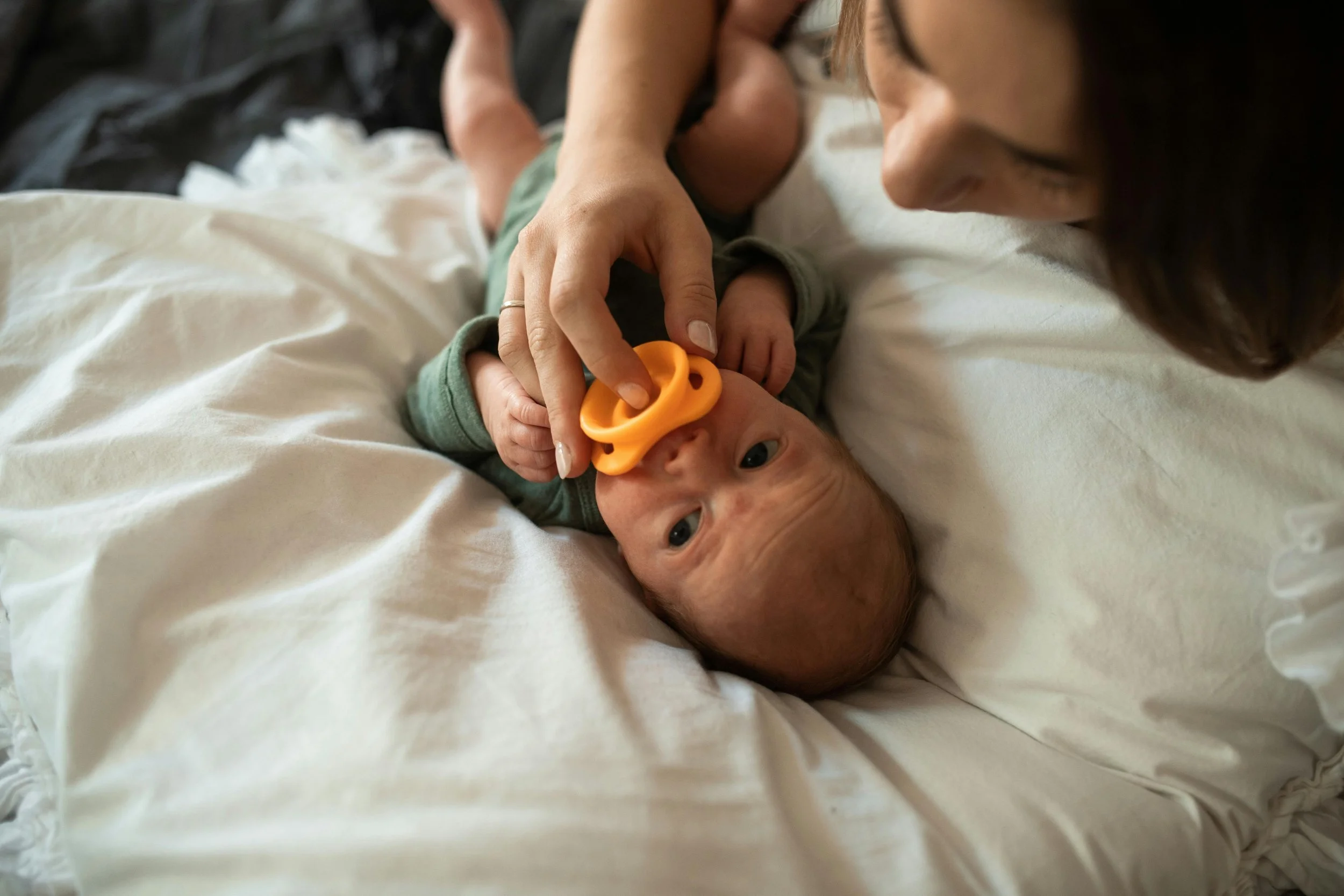
Most conversations about postpartum start too late. Often, it’s once the baby arrives that exhaustion sets in. Hormones spike and drop, and the weight of new responsibility suddenly feels heavier. And by then, parents are already in the deep end.
A more compassionate approach is to begin preparing during pregnancy. Not out of fear, but for preparedness. Postpartum is not simply a recovery period; it’s an initiation into a new version of yourself. And the more you understand that on the front end, the more supported you can feel when the moment arrives.
Preparing for postpartum is about building a foundation of emotional resilience, relationship clarity, and inner grounding. This post explores how expecting mothers can create that foundation with gentleness and intention.
Understanding the Emotional Landscape of Early Postpartum
The emotional terrain after birth is unlike anything else. You may feel love that overwhelms you, grief that surprises you, and waves of vulnerability that come out of nowhere. Hormones fluctuate rapidly, sleep becomes fragmented, and your sense of time changes overnight.
Recognizing these shifts ahead of time doesn’t eliminate their intensity, but it softens the shock. It gives you language for your internal experience. It helps you remember that nothing is wrong with you—you are moving through a profound physiological and psychological transition.
This understanding itself becomes a form of support.
Planning for Support Instead of Perfection
Many expecting parents pour their energy into preparing the baby’s space, organizing supplies, or researching gear. Which has its place. But the truth is, babies need far less than you think, and mothers need far more.
Postpartum support is about human care.
Ask yourself what would help you feel held once the baby arrives. Maybe it’s meals in the freezer or someone coming to fold laundry. Maybe it’s strengthening your ability to set boundaries with visitors, or simply knowing you have the support you need to rest without apologizing. All of this may feel like a luxury, but support is a necessity. And the earlier you can identify those needs, the easier it is to ask and receive.
Creating a Postpartum “Support Map”
Instead of a checklist of tasks, imagine a web of people and resources surrounding you. This support map can include family, friends, neighbors, community groups, or emotional anchors like meditation practices and grounding tools.
Some parents create a list of who to reach out to for meals, who to call for companionship, who can help with chores, who can watch the baby while they shower, who can sit with them during tough emotional moments, and who can offer gentle guidance.
You’re not meant to move through postpartum alone. Humans have historically raised babies in a community. Your support map is simply a modern expression of that lineage.
Some parents begin exploring a holistic pregnancy app during pregnancy, so these tools and emotional resources are already integrated into their routine by the time postpartum begins.
Preparing Your Nervous System for the Transition
Postpartum is physically demanding, but it’s also profoundly sensory. Your nervous system is flooded with new stimuli—crying, touch, changes in your body, lack of sleep, and hormonal shifts. This is why grounding practices learned during pregnancy can make such a difference later.
These might be slow breathing patterns, gentle body scans, grounding touch on your chest or belly, short visualizations, or simply noticing how your body feels when it relaxes into a chair.
These practices don’t erase the challenges of postpartum, but they give you a pathway back to center when everything around you feels tender and overwhelming.
Communicating More Clearly With Your Partner
Postpartum reshapes relationships just as much as it reshapes identity. Conversations that happen during pregnancy often become maps for the early weeks.
Talk openly about the emotional load, expectations, boundaries, nighttime care, rest, and how each of you tends to respond to stress. While you can’t (and shouldn’t be expected to) predict every scenario, the goal is to build a shared understanding that you are on the same team.
If you’re parenting alone, this preparation may take the form of setting emotional boundaries, identifying support resources, and learning to ask for help without hesitation or guilt.
Normalizing the Complexity of Postpartum
There is no “right way” to feel after giving birth. Some mothers feel joy immediately, whereas others may feel numbness or fear. Some moms find their physical recovery manageable; others can have an overwhelming recovery experience. And even bonding can take shape differently from mom to mom. All of it is normal.
Postpartum is both the arrival of a baby and the arrival of a new self. Your new self may feel raw before feeling grounded. But the more permission you give yourself to feel the full spectrum of your experience, the less you’ll judge yourself for it.
Letting Your Postpartum Plan Be Flexible
The best postpartum planning is spacious. It leaves room for change, intuition, and what your body tells you in the moment. If something stops feeling supportive, you’re allowed to adjust. If something unexpected feels grounding, you’re allowed to follow that. Your postpartum plan is not a contract. It’s a gentle structure that exists to hold you, not confine you.
Stepping Into Postpartum With Compassion Instead of Fear
Preparing for postpartum during pregnancy doesn’t mean bracing for difficulty. It just gives you the comfort of entering the next chapter with tools, support, and emotional readiness—so you don’t feel like you’re jumping into the unknown.
Your postpartum journey will be uniquely yours. Some days will feel heavy, some will be quiet and sweet. And there will be days that surprise you. But if you begin tending to your nervous system, your emotional world, and your support networks now, you give yourself a softer landing.
You deserve to feel cared for in the same way you’re preparing to care for your baby. And the preparation you do now becomes part of that care. Postpartum is the continuation of your transformation. Preparing with compassion is one of the most loving things you can offer your future self.