
Nurturing Your Body: Postpartum Recovery And Wellness
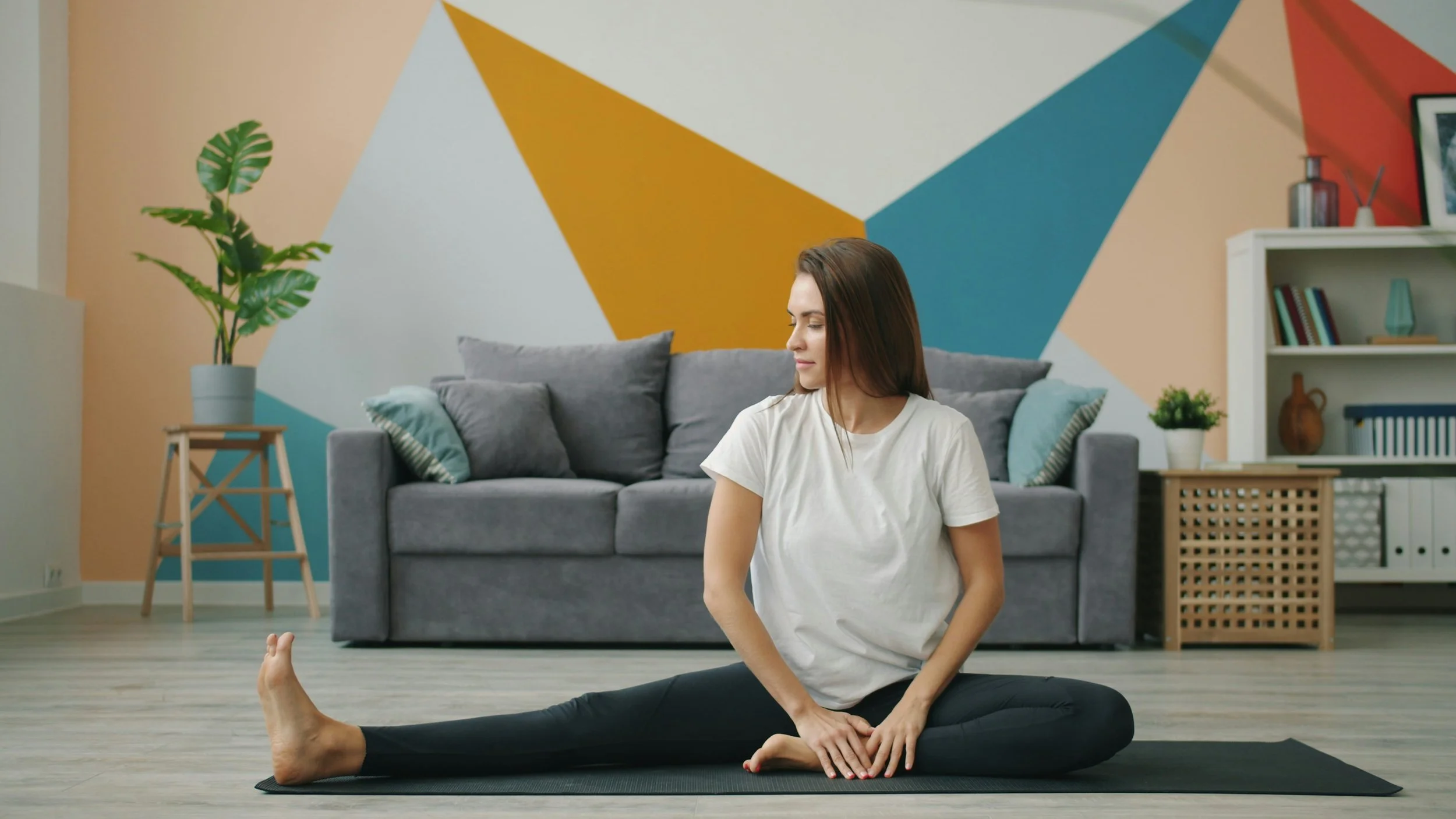
Bringing a new baby home is a huge deal, totally shifting your world in the most beautiful ways. While you're pouring all your energy into this tiny new person, it's super important to remember that your own body has been through an incredible journey and really needs time and TLC to heal. That time after birth, often called the postpartum period, is a unique phase of recovery, and taking care of yourself isn't a luxury; it's absolutely essential.
Understanding Postpartum Body Changes
After birth, your body slowly starts to get back to its pre-pregnancy state, but don't expect it to happen overnight. Your hormones go through a massive shift; those high levels of oestrogen and progesterone that supported your pregnancy drop dramatically. This can really mess with your mood, energy, and even your hair. Your uterus, which stretched out to make room for your baby, will begin shrinking back to its original size. This process can cause cramping, especially when you're breastfeeding.
You might also notice you're holding onto water, which can show up as swelling in your hands, feet, and ankles. This is totally normal as your body works to rebalance its fluids. Learning about the different stages of postpartum recovery can help you feel more ready for all the physical and emotional changes coming your way in the weeks and months ahead. Patience is definitely your best friend during this time of adjustment.
Common Aches and Pains After Birth
It's super common to feel a lot of aches and pains after giving birth. Your back, which carried that growing bump for months, might feel sore because your tummy muscles are weaker and your posture is changing. Looking down at your baby to feed, change a nappy, or just gaze at them can lead to neck and shoulder strain, often called "new mum neck." Pelvic pain and discomfort are also frequent as your ligaments and joints settle back into place.
If you're dealing with persistent back, neck, or pelvic pain, getting some professional help can make a huge difference. A specialist can offer hands-on therapy and specific exercises to help ease discomfort and support your body's alignment. For example, a qualified practitioner at a clinic like Next Level Chiropractic can give you personalised care for these specific postpartum issues. General postpartum care advice also includes things like resting, using warm compresses, and avoiding heavy lifting to help manage these common discomforts.
Gentle Movement for Recovery
Once you feel up to it and your doctor gives you the green light, adding some gentle movement into your day can do wonders for your recovery. It can lift your mood, get your blood flowing, and help you get your strength back. This doesn't mean jumping straight into intense workouts. Start small with short, easy walks around your neighbourhood. Getting some fresh air and a change of scenery can be just as good for your mind as it is for your body.
Pelvic floor exercises, or Kegels, are also super important. Pregnancy and birth put a lot of strain on these muscles, and strengthening them can help prevent issues like incontinence. You can do them anywhere, anytime: while feeding your baby, watching TV, or waiting for the kettle to boil. The main thing is to listen to your body and stop if anything hurts.
Supporting Your Spine and Pelvis
Your posture can really take a hit during the postpartum period. Spending hours feeding, carrying, and rocking your baby often leads to hunching over, which puts extra strain on your spine and pelvis. Making a conscious effort to support your body can prevent long-term aches.
When you're feeding, whether by breast or bottle, use pillows to bring the baby up to your level instead of slouching down to them. A feeding pillow can be a lifesaver, supporting your arms and back. When you're lifting your baby from their cot or a car seat, remember to bend your knees and engage your core muscles, rather than bending from your waist. These small tweaks to your daily movements can make a huge difference in protecting your spine and encouraging pelvic stability.
Building Strength Safely
As you start to feel stronger, you can slowly bring more structured exercise into your routine. The goal should be to rebuild your core strength from the inside out. Your deep abdominal muscles have been stretched and weakened, and it's important to get them working correctly again. Be aware of diastasis recti, a common condition where the abdominal muscles separate. Certain exercises, like crunches, can actually make this worse.
Instead, focus on movements that draw your abdominal muscles in, like pelvic tilts and gentle core breathing exercises. Pilates and postnatal yoga are fantastic for rebuilding strength in a safe, controlled way. It's always a good idea to chat with a physiotherapist or a certified postnatal fitness instructor who can check your body and create a safe and effective plan just for you.
Taking the time to heal and recover after birth is one of the most important things you can do for yourself and your family. Be kind to your body, celebrate the small wins, and don't hesitate to ask for help when you need it.