
Why Outdoor Play Is Essential F0r Early Childhood Development
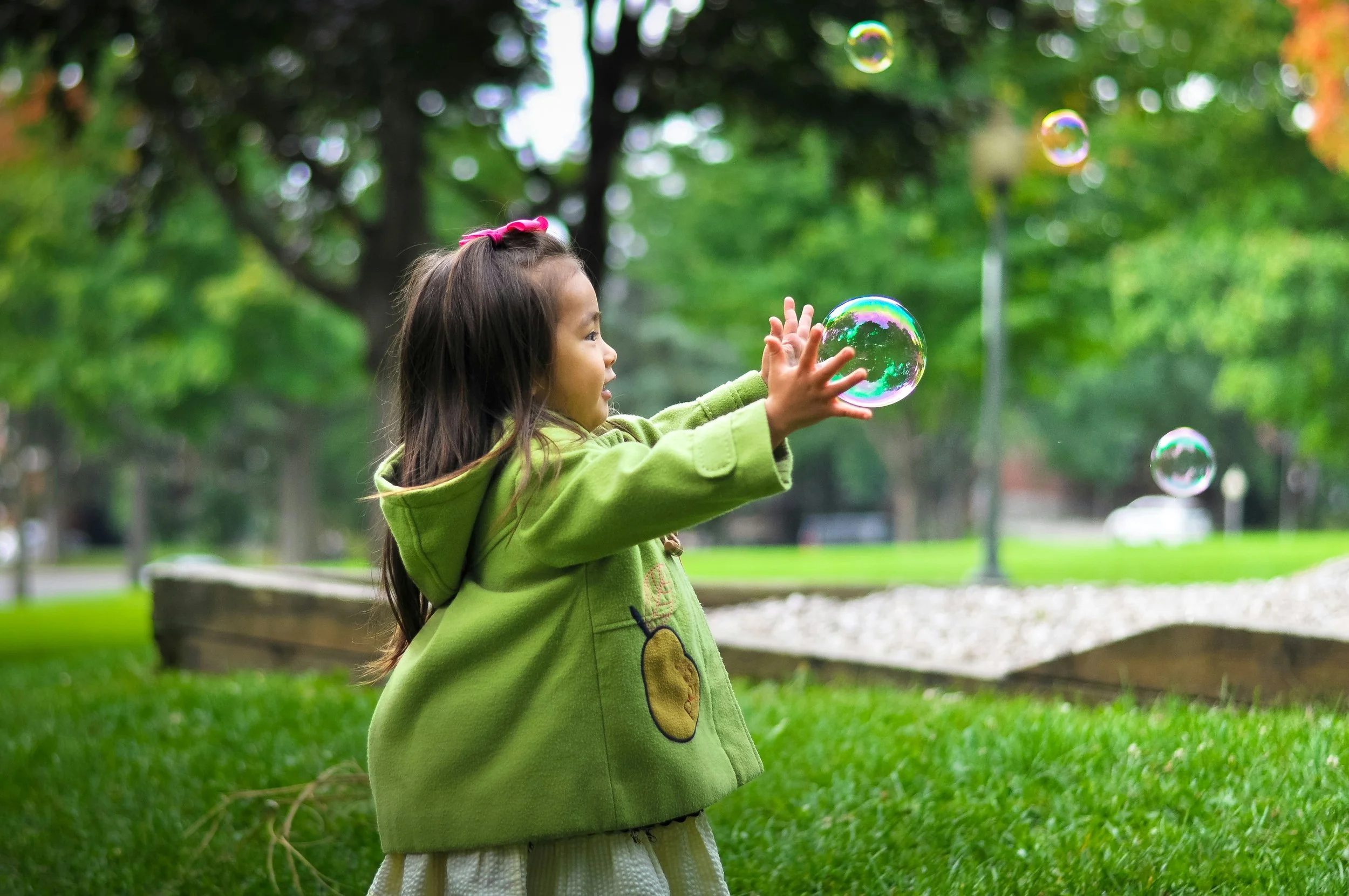
Seeing a child freely run through a park or dig in the dirt is one of those pure joys of being a parent. Beyond the rosy cheeks and muddy hands, these outdoor moments are actually super powerful for their development. Time spent in nature isn't just a fun way to spend an afternoon; it's a fundamental building block for a healthy, well-rounded child. From getting stronger physically to building emotional resilience, the benefits of getting outside are huge and set them up for a lifetime of learning and well-being.
Boosting Physical Health
When kids play outside, they move their bodies in ways that just can't happen indoors. Running across a field, climbing a play structure, or even just balancing on a log helps them develop big movements, strengthens muscles, and boosts heart health. These activities build a strong physical foundation that can stick with them for life.
Getting some sunshine also gives them a natural dose of Vitamin D, which is super important for strong bones and a healthy immune system. The varied ground outdoors, like grassy hills or sandy spots, really challenges a child's balance and coordination in exciting ways. All these things together offer the benefits of outdoor play, giving kids the physical confidence to explore their world.
Sharpening Cognitive Skills
The outdoors is a rich, multi-sensory place that sparks curiosity and encourages kids to think critically. Unlike structured toys that have one clear purpose, nature offers endless possibilities. A stick can become a magic wand, a fishing rod, or something to draw with in the dirt. This kind of open-ended play really fuels creativity and imagination. It also gives children tons of little problems to solve, like figuring out how to get a ball down from a tree or how to build a stable fort with branches.
This hands-on learning helps kids grasp ideas like cause and effect, how to assess risks, and understanding space. The unstructured nature of outdoor play is a key driver of social and cognitive development in the early years. These foundational skills are exactly what good play-based preschool and kindergarten programs aim to foster, using the outdoors as a natural classroom to encourage exploration and independent thought.
Building Social Connections
A trip to the local park or playground is often a child's first step into a wider social world. It’s here that they learn to interact with other kids outside of their family or daycare. They have to figure out how to take turns on the slide, share a bucket in the sandbox, or work together on a game of tag. These simple interactions teach them about negotiation, cooperation, and empathy.
Playing together outdoors encourages children to share their ideas, listen to others, and work towards a common goal, whether it’s building a sandcastle or deciding on game rules. They learn to pick up on social cues and handle the small disagreements that always pop up, building essential social skills that will help them in school and beyond.
Emotional Regulation Through Nature
Nature has a uniquely calming effect on everyone, kids and adults alike. For a child with big feelings and endless energy, open outdoor space offers a healthy way to let it all out. Running, shouting, and jumping are totally welcome activities outside, allowing kids to release pent-up energy and frustration in a safe, acceptable way.
Studies have shown that spending time in green spaces can reduce stress, improve mood, and help with focus. Just quietly watching a ladybug crawl on a leaf or listening to the soothing sound of wind in the trees can be incredibly grounding for a young child. This connection to the natural world helps them feel peaceful and learn to calm themselves down, which is super important for managing their emotions.
Simple Outdoor Activities
You don't need fancy plans or expensive gear to enjoy the outdoors. The best experiences are often the simplest. If you're looking for easy ways to get your little one outside, try a few of these ideas:
Nature Scavenger Hunt: Make a list of things to find, like a smooth rock, a yellow leaf, a fuzzy seed pod, and a Y-shaped stick.
Cloud Gazing: Lie on a blanket and look for shapes in the clouds. Does that one look like a dog or a boat?
Puddle Jumping: After a rain shower, put on some boots and let them splash. It’s a simple joy that delights every child.
Sound Safari: Sit quietly for a minute and listen. Talk about all the different sounds you can hear, from birds chirping to distant traffic.
Mud Kitchen: Give them an old pot, some spoons, and access to dirt and water. Making mud pies is a classic sensory activity for a reason.
Embracing outdoor play means embracing a little bit of mess and a whole lot of simple fun. The laughter, exploration, and learning that happen in the great outdoors are worth every single grass stain.