
Supporting Learning: How Hearing Affects School Success
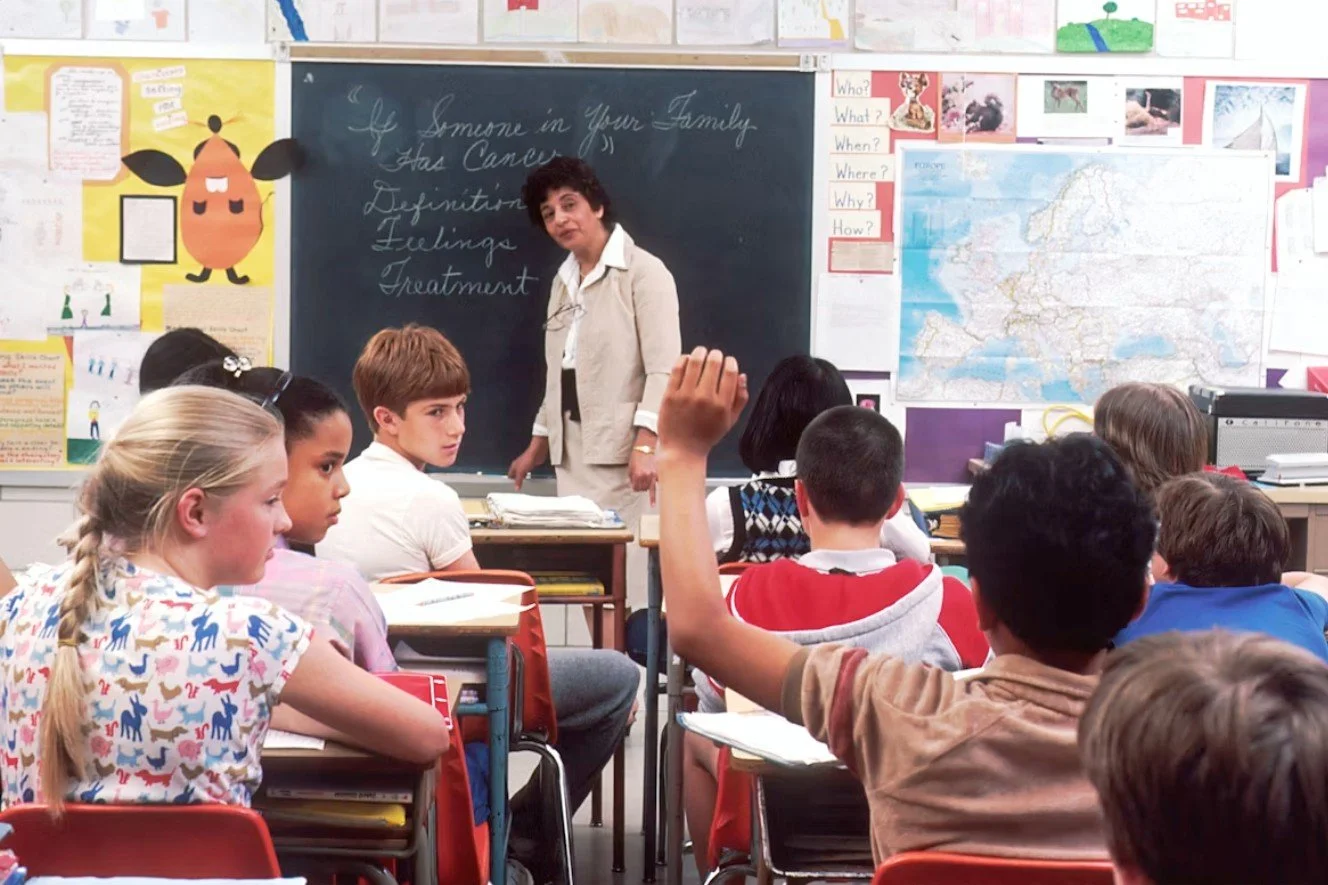
When we send our kids off to school, we trust they're entering an environment built for learning. We usually think about reading, writing, and math, but one of the most fundamental tools for success is something we might overlook: their hearing.
A child's ability to clearly hear their teacher and interact with classmates is the foundation for much of their academic and social development. Undetected hearing issues can create invisible barriers that affect everything from grades to friendships.
The Classroom Listening Challenge
A classroom is a busy, bustling place. The teacher is giving instructions, classmates are asking questions, and there’s the constant background hum of shuffling papers, moving chairs, and hallway chatter.
For a child to learn effectively, they must be able to filter out this background noise and focus on the important sounds, like the teacher's voice. This is a complex listening task even for a child with typical hearing. When a child has even a mild hearing loss, sounds can become muffled and indistinct, making it incredibly difficult to follow along with lessons and activities.
Signs of Hearing Issues in School
Hearing problems in children don't always show up as obvious difficulty. Sometimes, the signs are subtle and can be mistaken for behavioral issues or learning disabilities. If your child is struggling in school, it's worth considering if hearing could be a factor.
Here are some common signs to watch for:
Frequently asking "what?" or for things to be repeated
Appearing inattentive or "daydreaming" during class
Misunderstanding or not following instructions
Speaking more loudly or quietly than normal
Complaining of earaches or ringing in their ears
Showing frustration or fatigue after a school day
If you consistently notice several of these behaviors, it might be a good idea to get a hearing test to rule out any underlying issues. Catching problems early is key to providing the right support.
Impact on Grades and Social Skills
When a child can't hear clearly, their academic progress can suffer. They may miss key vocabulary words, fall behind in phonics and reading, and struggle with spelling. Because they use so much energy just trying to listen, they may become mentally exhausted, which affects their ability to concentrate and retain information.
The impact isn't just academic. Socially, a child with hearing loss may feel isolated. They might miss the punchline of a joke, struggle to follow conversations during lunch or recess, and be perceived as shy or unresponsive by their peers. This can lead to feelings of loneliness and can hinder the development of important social skills.
Proactive Steps for Parents
As a parent, you are your child's best advocate. If you suspect a hearing issue, the first step is to talk with your child's teacher and pediatrician. Share your observations and ask if the teacher has noticed similar behaviors in the classroom.
You can also implement some simple back-to-school hearing tips to help protect your child’s auditory health from the start of the school year. Open communication between home and school is vital for identifying problems and finding solutions. Don't hesitate to request a parent-teacher conference to discuss your concerns in detail.
Creating a Supportive Learning Space
Once a hearing issue is identified, there are many ways to create a more supportive environment for your child, both at school and at home. In the classroom, simple accommodations can make a huge difference. This might include preferential seating near the teacher and away from noise sources like windows or doorways. Teachers can use visual aids to supplement verbal instructions and make sure they face the student when speaking.
At home, you can help by reducing background noise during homework time. Turn off the TV and find a quiet space for your child to work. When you speak to them, get their attention first and face them directly. Teachers and parents can work together to support a child with a hearing impairment by making these small but meaningful adjustments.
Being aware of the signs and taking proactive steps helps you ensure your child has the auditory tools they need to thrive. Addressing hearing challenges early helps clear the path for a successful and happy school experience.