
How To Best Support Your Child When They Struggle At School
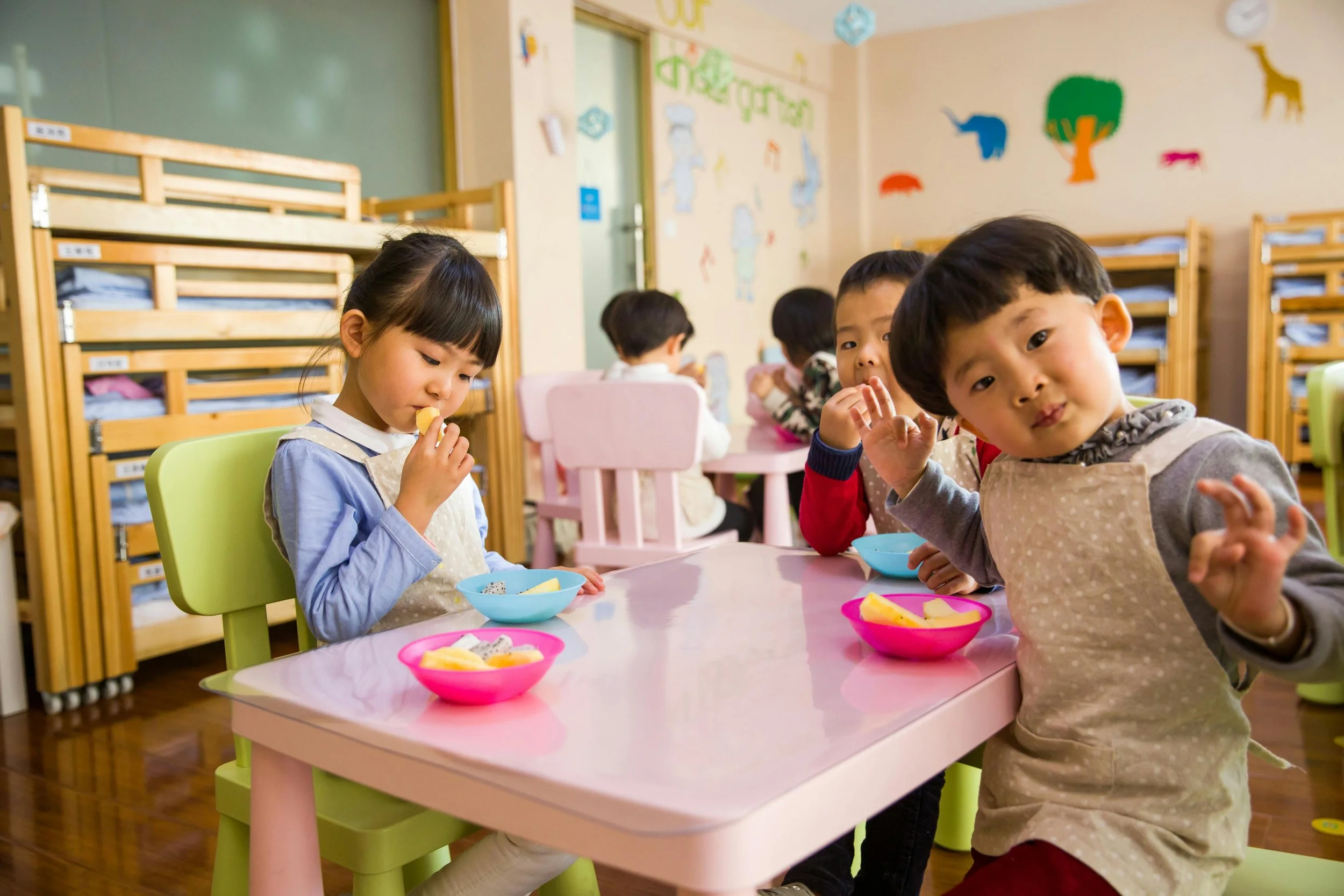
Watching your child struggle at school can be tough. As a parent, you want to be the superhero, swoop in, fix everything instantly, and send them back to class feeling confident and unstoppable. But unfortunately, parenting doesn't come with a magic wand. There are, however, some ways that you can support your child and help them to navigate challenges at school as they happen. So let's take a look at some approaches that you could use to help.
Start with listening.
When a child is struggling, the first step is often the simplest. All you have to do is listen. Instead of jumping in to fix the problem, give them some space to talk about how they're feeling, because sometimes they just need to talk it through and come up with that solution themselves. Sometimes children just want to feel heard and like they can vent safely. You need to ask open questions, like asking them what the hardest part of their day was or whether there's something that's been bothering them at school for them to not enjoy themselves in the first place. Even if the problem seems quite small to you, it can feel very big to them, so listen without judgement because that will build trust and make it easier for them to open up in the future.
Stay calm, even if you want to panic.
When you hear your child is struggling, it's easy for your mind to jump to the worst case scenarios of bullies and worries, but you need to remember that your children are going to take emotional cues from you. Try to frame challenges as something that can be worked through, rather than something that defines their ability. A tricky subject, a difficult assignment, or a social issue at school doesn't mean they're failing, it just means they need a little bit more support than usual.
Work with the school.
Teachers and school staff are valuable partners to help your child succeed. If your child is having difficulties, reaching out to their teacher can give you helpful insight into what's been happening in the classroom. Schools like https://www.kis.ac.th/ place strong value on communication between parents and educators so that students receive the support they both need at home and school together. You can identify the small adjustments that will make the difference to them and their continued education, such as added guidance or different learning strategies.
Focus on effort rather than just results.
Telling your child to do their best and then berating them for lower grades than you'd expect is a conundrum that your child is going to see straight through. It's natural to want good grades for your child because you understand how those grades affect their future, but focusing only on the results can sometimes add unnecessary pressure. You want to praise effort and persistence and improvement, because when children learn that trying their best is actually valued, they develop the resilience and confidence you want them to develop. It's a small shift that encourages a growth mindset to tell them that you're proud of them for how hard they're working. Mistakes need to be seen as part of learning rather than something to be afraid of.