
Adult Hobbies And Self-Care Beyond Parenting
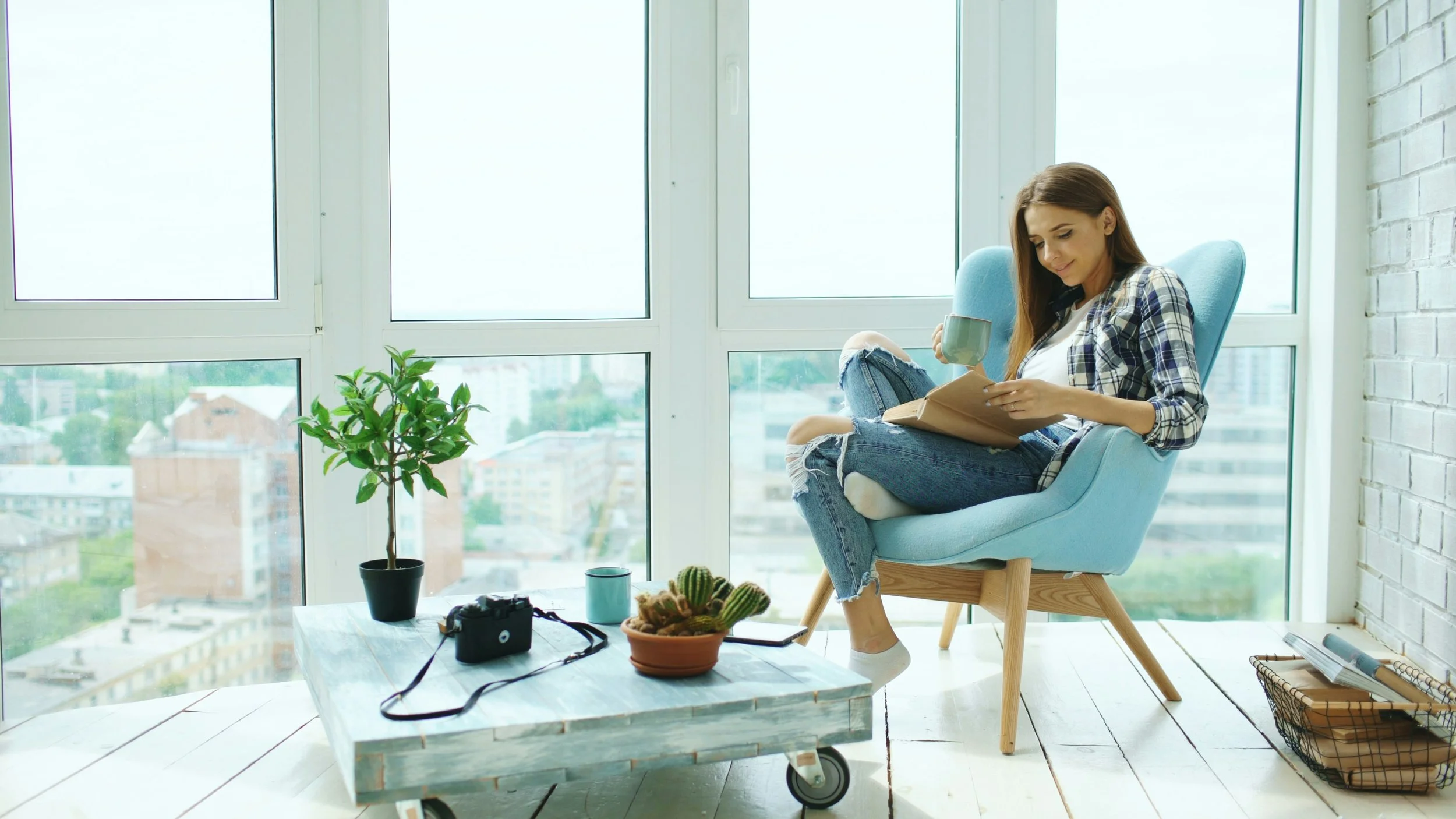
Somewhere between the school runs, the meal prep, and the bedtime stories, the person you were before kids seems to fade into the background. Your passions, hobbies, and personal interests get packed away like old photo albums, left to gather dust. But finding yourself again, beyond just being a parent, isn't just a nice idea. It's a really important part of self-care that helps you be a more present, joyful, and fulfilled human being.
This guide is all about helping you rediscover those parts of yourself and make room for adult hobbies that truly nourish your soul.
Rediscovering Your Passions
Remember what you loved to do before your life revolved around naps and soccer practice? For many of us, those interests feel like a distant memory. The first step is to gently get back in touch with your own passions. This isn't about adding another high-pressure task to your to-do list; it's more about exploring and having fun. Think back to what used to bring you joy. Was it painting, hiking, playing guitar, or getting lost in a historical novel?
If you're drawing a blank, try a curiosity audit. For one week, just jot down anything that catches your eye, no matter how small. It could be an article you read, a type of music you heard, or a beautiful garden you passed. This list is like a collection of clues that can lead you toward a new hobby. The importance of hobbies in adulthood isn't about becoming an expert, but about making joy and mental engagement a priority.
Don't be afraid to start small. You don't need to sign up for a semester-long course. Try a one-off pottery class, watch a tutorial on YouTube for a skill you've always wanted to learn, or simply buy one good quality sketchbook and a pencil. Research shows that following your passions is good for you, which can really improve your overall well-being and resilience. The goal is to reconnect with activities that feel restorative and fun, just for you.
The Value of Me Time
The phrase "me time" can sometimes feel like a luxury you just can't afford. But really, it's a necessity. Taking time for yourself isn't selfish; it's a basic practice for managing stress and avoiding burnout. When you constantly pour from your own cup without refilling it, you eventually run dry. Dedicated solo time lets you recharge, process your thoughts, and come back to your family roles with more energy and patience.
Think of it like scheduling an appointment with yourself. Put it on the calendar just as you would a doctor's visit or a parent-teacher conference. It might be 30 minutes in the morning before anyone else wakes up, an hour after the kids are in bed, or a few hours on a weekend afternoon. The key is to protect that time fiercely. Talk about its importance with your partner and family so they understand that this is your non-negotiable time to reset.
Engaging in hobbies for mental health during this time can really lower stress levels and boost your mood. When you're absorbed in an activity you enjoy, your mind gets a break from the constant loop of worries and responsibilities. You're not just a parent, an employee, or a household manager; you're a person with interests and skills, and honoring that is essential for a balanced life.
Crafting Your Personal Space
Having a physical spot just for your hobby can make a huge difference. It creates a psychological boundary, telling yourself and others that this area is for your personal enrichment. This doesn't mean you need a separate room (though that's awesome if you have one). A personal space can be as simple as a small corner of a room that is clearly yours.
Think about what you need for your chosen activity. If you love to read, it might be a comfy armchair with a good lamp and a small table for your tea. If you're into crafting, it could be a small desk or even a set of organized drawers that hold all your supplies. For a musician, it might be a corner where your instrument can stay out on its stand, ready to be picked up. The goal is to make it easier to start your hobby. If your supplies are buried in a closet, you're less likely to use them.
Personalize this space to make it feel inviting. Hang a piece of art that inspires you, use a mug that you love, or have your favorite scented candle nearby. This space becomes a small sanctuary, a place you can retreat to for even 15 minutes to disconnect from household chaos and reconnect with yourself. It’s a visual reminder that your needs and interests matter too.
Adult Choices for Relaxation
Relaxation as a parent often gets simplified to collapsing on the couch and scrolling through your phone. While that definitely has its place, true relaxation is more intentional. It's about choosing activities that actively soothe your nervous system and quiet your mind. These choices are deeply personal and can change as your lifestyle does.
For some, this involves mindfulness practices like guided meditation, gentle yoga, or simply deep breathing exercises. These activities help ground you in the present moment, offering a break from anxieties about the past or future. For others, creative expression is the ultimate form of release. This could be anything from journaling and writing poetry to painting, woodworking, or playing an instrument. The focus isn't on the final product but on the immersive process itself.
Sometimes, relaxation is about engaging your senses in a quiet, contemplative ritual. This might look like brewing a perfect cup of specialty coffee, listening to a full album on vinyl with headphones, or enjoying a quiet moment on the porch. For some, relaxation is a quiet evening on the deck with a good book and perhaps one of their favorite Backwoods cigars, creating a small ritual that marks the end of a busy day. Finding what works for you is a process of experimenting, allowing yourself to explore different ways to unwind that feel genuinely restorative.
Balancing Roles Effectively
Adding a hobby into an already packed schedule can feel really daunting. The secret is to aim for integration, not just addition. It's about finding ways to weave your passions into the existing fabric of your life rather than seeing them as another separate, stressful commitment. This means shifting your mindset and letting go of the all-or-nothing approach.
One effective strategy is to use pockets of time. You don't need a three-hour block to make progress. Use the 20 minutes while dinner is roasting, the 10 minutes you're waiting in the carpool line, or the half-hour after the kids are asleep. These small increments add up, allowing you to stay connected to your interests without needing to overhaul your entire schedule. It's about finding what's possible right now, not waiting for the perfect time that may never come.
Communicating your needs is also essential for juggling parenthood and passions. Talk to your partner about why this time is important to you and work together to make it happen. Perhaps you can trade off childcare on weekends so you each get a dedicated block of time for your respective hobbies. Finally, let go of the guilt. Taking time for yourself doesn't take away from your family; it adds to it by giving them a parent who is happier, more engaged, and more fulfilled.
Rediscovering yourself through hobbies is a gift you give not only to yourself but to your entire family. It shows them the importance of lifelong learning and personal fulfillment. Start small, be kind to yourself, and enjoy the process of welcoming all parts of you back into the picture.